

PCOS and Your Fertility
If you have PCOS, now called PMOS, you may be wondering what it means for your fertility and whether you can still get pregnant. Pregnancy is possible for many people with PCOS, and there are effective fertility treatments that can help when ovulation or other factors make conceiving more difficult.
Polycystic Ovary Syndrome (PCOS) is a hormonal disorder affecting 1 in 10 women of reproductive age. It leads to irregular periods, high androgen levels, and polycystic ovaries. PCOS impacts fertility, metabolic, mental, and cardiovascular health.
Fertility Centers of New England is here to help guide you through different causes of PCOS, as well as the diagnosis and treatment options that can help you grow your family.


Is PCOS Affecting My Fertility?
PCOS can make it harder to conceive because it often disrupts ovulation. In a typical cycle, an ovary releases an egg each month. With PCOS, that egg may not develop or release the way it should, which can lead to irregular or missed periods and make timing a pregnancy more difficult. PCOS is also linked to a higher risk of miscarriage.
Having PCOS doesn’t mean you can’t get pregnant. Treatment options, including medication to stimulate ovulation and assisted reproductive technologies, can improve your chances of conceiving. The right path depends on how PCOS is affecting your fertility specifically.
When Should I See a Fertility Specialist?
Irregular or absent periods are reason enough to see a fertility specialist, whether or not you’ve been trying to conceive. The same is true if you’ve been told you may have PCOS. An evaluation typically starts with a review of your cycle and hormone levels, and getting that information early gives you more treatment options sooner.
How We Treat PCOS-Related Infertility
Treatment for PCOS-related infertility depends on your symptoms, your goals, and your overall health. Many patients start with lifestyle support and medication to help regulate ovulation. If more support is needed, your doctor may recommend Ovulation Induction to help your body release an egg more predictably, sometimes paired with Intrauterine Insemination (IUI). For some patients, particularly those who don’t respond to ovulation induction or who have other fertility factors involved, In Vitro Fertilization (IVF) may be recommended. Your care team will consider your diagnosis, age, reproductive history, and fertility goals to recommend the approach that’s right for you.
If cost is part of your planning, you can learn more about affording treatment.

What is PMOS?
PCOS now has a new name: PMOS, or Polyendocrine Metabolic Ovarian Syndrome. The name was adopted through a global medical consensus process to better reflect the condition. “PCOS” focused on ovarian cysts, but the condition involves hormone systems and metabolism more broadly, not just the ovaries. At Fertility Centers of New England, PCOS and PMOS refer to the same condition, and our doctors are here to help you understand and manage it, whichever term brought you here.
PCOS Symptoms


Causes of PCOS


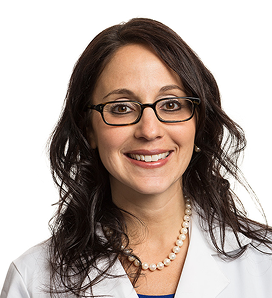
A Physician’s Perspective on PCOS and Fertility
“One of the most common things I hear from patients with PCOS is that they think pregnancy isn’t possible for them. In reality, PCOS is one of the most common causes of ovulatory infertility we see, and it’s also one of the most treatable. There are real options to help you get there, and we build a plan around what’s right for you.”
– Beth Plante, M.D.
Board-Certified in Obstetrics and Gynecology and in Reproductive Endocrinology and Infertility
FAQ
Pregnancy is possible for many people with PCOS. The condition mainly affects fertility by disrupting ovulation, and many patients respond well to medication alone before needing more advanced treatment.
Yes. PMOS is the official name adopted for PCOS in 2026. Both terms refer to the same condition, and you may see either used depending on the source.
Common early signs include irregular or missed periods, excess facial or body hair growth, acne, and thinning scalp hair.
Your doctor will typically review your symptoms and medical history, check hormone levels, and may use an ultrasound to look at your ovaries.
Treatment ranges from medication to more advanced options like IUI or IVF, depending on your diagnosis and fertility goals.
You don’t need to wait until you’ve been trying to conceive to get evaluated. Irregular periods or a possible PCOS diagnosis are reason enough on their own.
Additionally, PCOS often causes insulin resistance, leading to weight gain, further complicating fertility. Women with PCOS also have a higher risk of miscarriage.