


Start with the Big Picture
There’s no single definition of success in fertility care. The best place to begin is by understanding how outcomes are reported and why comparisons can sometimes be hard to interpret.

What Are IVF Success Rates?
IVF success rates describe the likelihood that a treatment cycle will result in a pregnancy and live birth. These rates are expressed as percentages and help people understand their chances of having a baby through assisted reproductive technology. IVF success varies widely based on several factors, especially age and health

How Successful Is Fertility Treatment?
Success rates represent outcomes across many patients, not guarantees for individuals. They often vary based on factors like age, fertility diagnosis, and the type of treatment being used. Success can also mean different things to different people, whether that’s achieving pregnancy, having a healthy delivery, or preserving fertility for the future.
Looking at success rates with this broader perspective can make them easier to understand and less overwhelming.
Why IVF Success Rates Vary
Even when two people pursue IVF, their experiences and outcomes may be very different. Care plans are personalized, and factors like medical history, lab techniques, and timing all play a role.
What Factors Influence IVF Success Rates?


Because these factors work together, success rates are most meaningful when discussed with a fertility specialist who understands your full picture.
What IVF Success Rates Don’t Show
-
- They don’t predict individual outcomes
- They don’t reflect personal goals or emotional readiness
- They don’t capture every family-building path
- They aren’t meant to be used to compare one person’s journey to another

Success Looks Different for Different Families
Fertility care supports many different paths to parenthood, and success isn’t defined the same way for everyone.
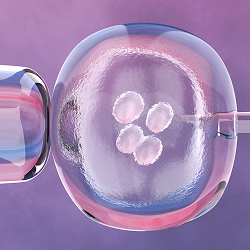
Success with a Donor Egg
For many individuals and couples, particularly those over age 40, utilizing donor eggs can dramatically shift the success landscape. While traditional IVF outcomes are often tied to biological age, donor-assisted cycles utilize eggs from young, healthy donors, which typically results in more resilient embryo development.
This pathway allows the focus to move away from ovarian reserve and toward the health of the uterine environment. Because success becomes less dependent on the recipient’s age and more about their overall medical history and uterine readiness, this often represents one of the most reliable and effective routes to a successful pregnancy and a healthy baby.

Success in Reciprocal IVF
For same-sex female couples, reciprocal IVF (sometimes called co-maternity) allows both partners to take part in the biological process of building a family. Because two people are biologically involved, success is influenced by a combination of distinct factors rather than a single metric.
Considerations typically include the age of the partner providing the eggs, which plays a role in embryo health and genetic viability, alongside the uterine health of the carrying partner, which supports implantation and a developing pregnancy. Weighing these factors together allows your care team to personalize a treatment plan that reflects your combined medical history.

Success for Single Parents by Choice
For individuals pursuing parenthood on their own, success is often about building the right support system, both medically and personally. In these journeys, success rates are influenced by the specific combination of your own biology and the use of donor sperm or eggs. Knowing that you have a dedicated clinical team to help navigate these decisions can make the path feel less solitary and more empowered.

Success with a Gestational Carrier (Surrogacy
For many intended parents, including same-sex male couples, single fathers, and those with specific uterine factors, working with a gestational carrier adds a new layer of coordination to the family-building journey. In these cases, success is best understood as a team effort involving the clinic, the intended parents, and the gestational carrier, requiring careful legal, emotional, and medical synchronization.
Much like reciprocal IVF, success in these cycles is influenced by how different biological factors come together including the quality of the egg and sperm, the uterine health of the carrier, and the precise timing of the cycle.

Factors That May Influence Success
Some aspects of fertility treatment are outside of your control. Others may be discussed as part of your care plan. Conversations around lifestyle, nutrition, and overall health are common, but they should be viewed as supportive rather than decisive.
Nutrition and Fertility
Research suggests that certain eating patterns, such as the Mediterranean diet, may support reproductive health. Nutrients, like folate, are often discussed during fertility planning, especially before treatment begins.
These factors are not guarantees, but they may help support your overall health during treatment.
Stress and IVF Outcomes
Stress is a natural part of navigating fertility treatment. While it’s understandable to worry about its impact, research does not show that stress alone determines IVF success. Knowing this can help ease some of the pressure people place on themselves during treatment.

When Treatment Is Tailored Further
In some situations, doctors may suggest additional testing or procedures based on a person’s medical history or prior treatment experiences.
Surgical Support for Your Fertility Journey
For some, achieving the best possible outcome requires addressing structural factors that may impact implantation or pregnancy. Procedures such as fibroid removal or specialized surgery for endometriosis are often recommended to create the healthiest possible environment for an embryo to thrive.
Advanced Considerations in IVF Success
Procedures such as endometrial scratching have been studied as possible ways to support implantation in select cases. These approaches are not routine and are considered carefully, based on medical evidence and individual needs.
Common Questions About IVF Success Rates
Success rates are typically based on pregnancy or live birth outcomes across large groups of patients. Reporting methods can vary depending on the type of treatment and patient population.
Yes. IVF success rates are reported by age because age affects egg quality and response to treatment.
Age is only one factor, though. Diagnosis, treatment approach, and whether donor eggs or frozen embryos are used can also influence outcomes. Two people of the same age may have different results.
Success rates provide helpful context, but understanding what they mean for you is what matters most.
When using donor eggs, success rates are typically higher and more consistent across all age groups because outcomes are primarily linked to the age of the healthy egg donor. This treatment path frequently results in higher implantation and live birth rates for patients over age 40 compared to cycles using their own eggs.
Yes, reproductive surgery can significantly improve outcomes by addressing structural factors such as fibroids or endometriosis that may interfere with embryo implantation. By optimizing uterine health before a transfer, we establish a more receptive environment for the embryo to thrive.
Not necessarily. Success rates can be influenced by who is included in the data and how treatment is approached. Quality care also involves personalized treatment, experienced clinical teams, and strong laboratory practices.
No. While healthy habits may support fertility and overall well-being, they don’t guarantee treatment outcomes.
A clinical pregnancy rate is a metric based on the confirmation of a pregnancy via ultrasound. A live birth rate tracks the number of babies successfully delivered. At Fertility Centers of New England, we prioritize live birth rates as the most transparent and meaningful measure of success for our patients.
Not exactly. Success rates are based on groups of patients and show general patterns, not what will happen for any one person.
Your chances are influenced by many factors, including age, diagnosis, and how your body responds to treatment. Even people with similar starting points can have very different outcomes.
Success rates can be a helpful starting point, but the most meaningful insight comes from understanding how they relate to you and your care plan.

What IVF Success Rates Mean for You
IVF success rates are a starting point for conversation, not a forecast. They can help guide questions and decisions, but they don’t define what’s possible for you.
Talking with your care team allows you to put the numbers into context, based on your health, goals, and treatment options. Understanding success this way can make the process feel clearer and more manageable.
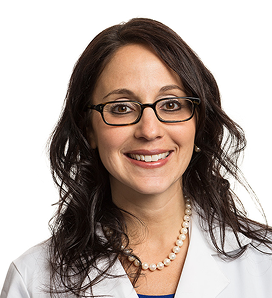
“Patients often come in focused on success rates, which is understandable. What matters most is understanding how those rates apply to you, based on your age, diagnosis, and the care approach we’re recommending.”
– Beth Plante, M.D., Endocrinology and Infertility

IVF Success Rates at a Glance
- Success rates are based on outcomes from large patient groups
- Results vary based on age, diagnosis, and treatment approach
- Success rates are not personal predictions
- Lifestyle factors may support care but don’t determine outcomes
- Success rates are best understood with guidance from a fertility specialist
Success rates are only one part of the story. The most important next step is a conversation that puts the numbers into context for you and your care plan.
Let’s Talk About What This Means for You
We’re here to help you understand the numbers and your next steps.
Helpful Resources for Your Next Steps

The IVF process follows a clear series of steps, but the pace can look a little different for everyone. Learn more about what treatment could look like for you.

Every fertility path is personal, filled with questions, choices, and hopes unique to you. Here are some answers to questions you may have.