

What is the IVF Process?
5 Key Steps Explained by Our Experts
Many patients beginning their fertility journey wonder, “What is IVF?” and “What can I expect?” IVF is an acronym for In Vitro Fertilization, which means to fertilize an egg with sperm outside of the body (generally in a petri dish) and place it in an incubator for a sufficient time (generally five days) until it is transferred back into the uterus (womb).
The IVF process follows a clear series of steps, but the pace can look a little different for everyone. Timing depends on your specific treatment plan, how your body responds to medication, and whether your care team recommends additional steps along the way. Some parts of the process move quickly, while others include purposeful waiting periods to support the best possible outcome.
How Long Does the IVF Process Take?
The IVF (in vitro fertilization) process typically takes about 4-6 weeks from the start of ovarian stimulation to embryo transfer. Here’s a breakdown of the key stages:

Initial Consultation & Testing
1-3 weeks
Before starting IVF, you’ll undergo an initial consultation with a fertility specialist. This stage includes fertility testing (hormone tests, ultrasounds, and semen analysis) to determine the best course of treatment. Some patients may need additional treatments or medications to prepare.

Ovarian Stimulation
8-14 days
During this phase, the patient takes injectable fertility medications (gonadotropins) to stimulate the ovaries to produce multiple eggs. The response is monitored with blood tests and ultrasounds to track follicle development.

Egg Retrieval
1 Day
Once the follicles reach the desired size, a “trigger shot” is administered to mature the eggs. The eggs are retrieved via a minor surgical procedure about 36 hours after the trigger injection.

Fertilization
1-5 Day
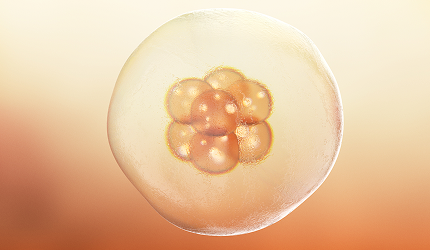
After retrieval, the eggs are fertilized with sperm in a lab (either through standard IVF or intracytoplasmic sperm injection, ICSI). Fertilized eggs (now embryos) are monitored for development over the next few days.
Embryo Transfer
3-5 days after retrieval
If embryos develop well, 1-2 are selected for transfer into the uterus. This is a quick and painless procedure, similar to a Pap smear.

Pregnancy Test
10-14 days after transfer
Around two weeks after the embryo transfer, a blood test will confirm whether pregnancy has occurred.

Five Stages of the IVF Process
Step 1: Ovarian Stimulation
The purpose of ovarian stimulation is to encourage the ovaries to mature multiple eggs in a single cycle, increasing the chances of successful fertilization and pregnancy. Some patients may not produce eggs regularly due to conditions such as ovulatory disorders, hormonal imbalances, diminished ovarian reserve, age-related changes, or certain medical treatments. Ovarian stimulation helps overcome these challenges by providing the hormones needed to support egg development.
While daily injections can feel overwhelming at first, most patients find they adapt quickly with education, guidance, and ongoing support from their care team, making the process more manageable than they initially expect.
Medications are used to stimulate the ovaries to make eggs.
IVF involves a carefully timed combination of medications designed to support egg development and prevent ovulation from occurring too early. Before stimulation begins, some patients take pretreatment medications, most commonly birth control pills, for two to three weeks in the cycle prior to IVF. This helps coordinate follicle growth and improve the chance of retrieving mature eggs, which are required for fertilization. In patients with evidence of diminished ovarian reserve, such as low AMH, low antral follicle count, or elevated FSH, an estrogen priming cycle may be recommended instead. This approach uses estrogen pills or skin patches, along with a short course of subcutaneous Cetrotide injections, to support follicle development.
The main phase of treatment involves ovarian stimulation with injectable hormones called follicle stimulating hormone, or FSH. Common brand names include Gonal F, Follistim, and Menopur. Menopur also contains luteinizing hormone, or LH. These medications are taken for an average of eight to ten days, although the exact duration and dosing depend on how the ovaries respond. During this time, patients are closely monitored with bloodwork to measure hormone levels and vaginal ultrasounds to assess follicle growth. When the follicles are ready, a trigger injection, most commonly human chorionic gonadotropin or hCG, is given to support final egg maturation before retrieval.
Medications to prevent premature ovulation are also an important part of IVF. Some patients use Lupron, which may be started in the second half of the cycle before stimulation begins. Others use Cetrotide, which is added several days after FSH stimulation has started. In certain cases, a microdose Lupron protocol, also called the Microflare protocol, is selected. This involves small doses of Lupron given twice daily starting early in the stimulation cycle. Each medication plan is individualized to support the best possible response and outcome.
During IVF treatment, progress is closely monitored to ensure the ovaries and uterus are responding appropriately and to guide medication adjustments. Patients typically undergo frequent vaginal ultrasounds to measure the number and size of developing follicles in the ovaries and to assess the uterine lining. Blood tests are also performed to track hormone levels, including estrogen and sometimes progesterone, which provide important insight into how the ovaries are responding to stimulation. This combination of ultrasound and hormone monitoring allows the care team to tailor medications, optimize timing, and determine the ideal moment for the trigger injection and egg retrieval, all while prioritizing safety and the best possible outcome.
Hear more from Danielle Vitiello, Ph.D., M.D., Medical Director, Board-Certified in Obstetrics and Gynecology and in Reproductive Endocrinology and Infertility, about the kinds of medications we may recommend to our patients and why.
Step 2: Egg Retrieval
Egg retrieval is a key step in the IVF process where mature eggs are collected directly from the ovaries. Harvesting the eggs allows them to be fertilized in the lab with sperm, giving the best chance for a healthy embryo to develop. The procedure is typically done under light anesthesia to keep patients comfortable, and it usually takes less than an hour. Understanding this step helps patients know that while it may sound intimidating, egg retrieval is a routine, carefully managed procedure that is essential for creating embryos and moving one step closer to pregnancy.
Egg retrieval (ER) is performed approximately 36 hours after the hCG trigger shot under anesthesia using an ultrasound-guided vaginal probe attached to a needle guide. A needle goes through the back wall of the vagina into the ovary so that ovarian follicles, hopefully containing eggs, can be drained into warmed test tubes. These are then handed to the embryologist, who will isolate the eggs from their attached cells and place them in the incubator until they are fertilized.
Yes, egg retrieval is an outpatient procedure, meaning patients do not need to stay in the hospital overnight. It is typically performed in a clinic or surgical center under light sedation or anesthesia to ensure comfort and minimize discomfort. The procedure usually takes less than an hour, and most patients are able to go home the same day with a trusted companion.
After retrieval, patients may experience mild cramping or bloating, which generally resolves within a day or two. Because it is outpatient, recovery is manageable at home, and most patients can resume normal activities within a short period while closely following their care team’s instructions.
Step 3: Fertilization
Fertilization is the stage where your retrieved eggs are combined with sperm in the lab to create embryos. This is a delicate and exciting step, as each egg has the potential to become a future embryo. Patients often feel a mix of anticipation and hope during this stage, knowing that the lab work done by embryologists is critical to the success of the cycle. Our embryologists carefully monitor each egg, checking for signs of fertilization and early development as if they were their own, ensuring that every embryo is given the best possible environment to grow. This careful attention allows the team to select the strongest embryos for transfer or freezing, bringing patients one step closer to achieving their dream of parenthood.
There are two ways to inseminate eggs so they may be fertilized. These are:
- Standard Insemination (SI), which is placing 10,000 moving sperm with each harvested egg under a drop of oil in embryo culture media;
- Intracytoplasmic Sperm Insemination (ICSI), which involves placing one sperm into each egg. ICSI is generally performed in cases where there are problems with sperm, such as low count, motility, or poor morphology; in cases of failed fertilization; and to maximize fertilization. Pre-Implantation Genetic Testing (PGT) will be done.
Following SI or ICSI, the culture plates (petri dishes) containing eggs and sperm are placed in the incubator and checked the next day for fertilization.
While most eggs fertilize successfully in the lab, it is possible that some or even all may not. If fertilization does not occur, your care team will review the cycle to understand potential factors and discuss next steps. Sometimes adjusting the timing, trying a different fertilization technique, or using additional testing can improve outcomes in future cycles. It is important to remember that this is not a reflection of your value or potential to conceive. IVF is a complex process and challenges can happen even in otherwise healthy patients. Your care team is here to support you, answer questions, and guide you through every step, ensuring the best possible plan moving forward.
Not every egg retrieved during IVF will successfully fertilize, and the number can vary depending on factors such as age, egg quality, and sperm health.
Embryologists carefully monitor each egg for signs of fertilization and early development, providing individualized attention to ensure the strongest embryos are selected for transfer or freezing. While the exact number may differ from cycle to cycle, every fertilized egg represents a potential step toward pregnancy, and your care team will keep you informed throughout this important stage.

Step 4: Embryo Culture
After fertilization, the embryos enter the culture stage, where they grow and develop in a carefully monitored lab environment for several days. During this time, embryologists provide individualized attention to each embryo, tracking its progress and ensuring it has the best conditions to thrive. This stage requires patience and precision, as the team works closely to select the healthiest embryos for transfer or freezing. While the embryos are developing, patients are also preparing their bodies for the upcoming transfer, creating the ideal environment in the uterus to support implantation. This collaborative process between patient and care team helps set the stage for the next step toward pregnancy.
Embryos are cultured (kept in the incubator) for five days. In the past, embryos were kept in culture for only three days, but that was before more advanced culture systems and better incubators were available. It is now known that the male genome is not fully integrated until three days following fertilization, so culturing embryos for five days allows better determination of embryo competence.
While the embryos are being cultured, most centers prescribe some form of estrogen and progesterone to take following the egg retrieval. While your embryos are developing in the lab, there are important steps you can take to support the next phase of your IVF cycle. Most patients are prescribed estrogen and progesterone following egg retrieval to help prepare the uterine lining for implantation. These medications create the optimal environment for the embryos to attach and grow once transferred. Beyond medication, this is a time to focus on self-care, follow your care team’s instructions closely, and stay informed about your cycle. While the embryos are in expert hands, your body is being readied to welcome them, making this a critical and active part of the IVF journey.
Step 5: Embryo Transfer
The embryo transfer is the next milestone in your IVF journey, where a healthy embryo is carefully placed into the uterus. At Fertility Centers of New England, this process is highly personalized to ensure comfort and the best possible outcome. Our team tailors the transfer technique to each patient, taking into account uterine anatomy and the optimal timing for implantation. The procedure itself is brief, usually painless, and performed with gentle precision. While the embryos settle into their new environment, patients are supported with guidance on post-transfer care and hormone therapy, helping to create the ideal conditions for a successful pregnancy.
Embryo transfer (ET) occurs on the fifth day following fertilization and is performed under ultrasound guidance. The transfer is not painful but is generally uncomfortable because it is performed after drinking a liter of water to fill the bladder. A full bladder makes it easier to see the uterus under ultrasound guidance and pushes the uterus down so it is easier to accomplish the transfer. A two-stage process is performed by placing an outer catheter into the uterus and then loading the embryo into a transfer catheter, which is threaded through the outer catheter to approximately 2cm from the top of the uterus. At that point, the plunger on the syringe that is attached to the catheter and the embryo is injected. In the past, many centers advised patients to have a ‘mock’ or pretend transfer to determine whether the transfer would be difficult. This is no longer necessary as the two-stage technique and ultrasound guidance obviate the need for a ‘mock’ transfer.
How many embryos to transfer depends on many clinical variables, but, in general, an elective single embryo transfer is performed in all women 37 years of age or younger. Remaining embryos of suitable quality can be vitrified (frozen) for later use, if necessary.
Following the transfer, it is not necessary to lie down for more than a minute. A study from Spain showed that higher pregnancy success rates were achieved if the woman got up following transfer compared to lying down for 10 minutes or more. A pregnancy test is performed 10 days following transfer. Most centers continue estrogen and progesterone therapy through this time and into early pregnancy.
Support for Every Path
Insight and Experience to Guide Your Journey
How In Vitro Fertilization Injections Work

What Happens Next: The Two-Week Wait
After your embryo transfer, the next step is often called the “two-week wait,” a time of anticipation as the embryo implants and early pregnancy begins. During this period, most patients continue taking hormone medications, usually progesterone and sometimes estrogen, to support the uterine lining and help maintain a potential pregnancy. Emotionally, this can be a stressful and anxious time, and it’s normal to experience a mix of hope, excitement, and worry. Patients are advised to follow their care team’s guidance on activity and self-care while avoiding any unnecessary stress or strain. About two weeks after the transfer, a blood test is performed to confirm whether implantation was successful. Your team may also schedule follow-up monitoring to ensure hormone levels and early pregnancy development are progressing as expected. While waiting can feel challenging, your care team is there to provide support, guidance, and reassurance every step of the way.
FAQs
The IVF process typically takes about four to six weeks from the start of ovarian stimulation to the embryo transfer, though exact timing can vary depending on individual treatment plans. The journey begins with pre-treatment medications to prepare the ovaries, followed by daily hormone injections to stimulate egg development, which usually lasts 8 to 10 days. After eggs are retrieved, fertilization and embryo culture take several more days, leading up to the transfer. Following transfer, there is a two-week period before a pregnancy test can confirm results. Some cycles may take longer if additional testing, frozen embryo transfers, or other interventions are needed. Throughout the process, your care team closely monitors your progress, adjusts medications as needed, and provides guidance to support you every step of the way.
IVF is generally well tolerated, though some parts of the process may cause temporary discomfort. Daily injections can cause mild soreness or bruising at the injection site, and ovarian stimulation may lead to feelings of bloating or pressure as the ovaries enlarge. Egg retrieval is performed under sedation or anesthesia, so patients do not feel pain during the procedure, and any cramping or discomfort afterward is usually mild and short lived. The embryo transfer itself is typically quick and painless, similar to a routine gynecologic exam. While physical discomfort is usually minimal, the emotional ups and downs of IVF can feel more challenging. Your care team is there to support both your physical comfort and emotional well being throughout the process.
In most cases, yes, patients can return to work after an embryo transfer. The procedure itself is brief and usually does not require anesthesia, so recovery time is minimal. Many patients choose to rest for the remainder of the day for peace of mind, but normal, non strenuous activities can typically be resumed shortly afterward. Your care team may recommend avoiding heavy lifting, intense exercise, or high impact activity for a short period, while encouraging gentle movement and regular routines. Every patient and workplace is different, so your provider will offer guidance based on your specific treatment plan and comfort level.
The number of embryos transferred during IVF is carefully determined based on your individual circumstances and medical guidelines. A single embryo transfer is recommended to maximize the chance of a healthy pregnancy while minimizing the risk of multiples. Factors such as age, embryo quality, prior treatment history, and whether the embryo has undergone genetic testing are all considered when making this decision. Your care team will discuss the recommended approach with you in advance, ensuring the plan aligns with both medical best practices and your personal goals.
IVF may be the right option if you have been trying to conceive without success, have a known fertility condition, or need a more advanced approach to build your family. It is often recommended for individuals or couples with blocked or damaged fallopian tubes, male factor infertility, ovulation disorders, endometriosis, diminished ovarian reserve, unexplained infertility, or those pursuing fertility preservation or genetic testing. The best way to know if IVF is right for you is through a comprehensive fertility evaluation and a conversation with a fertility specialist. Together, you will review your medical history, test results, and family-building goals to determine the treatment approach that offers the best chance of success for you.
Understanding what your options are is the best first step when undergoing infertility treatment. If you are looking for more information on how much IVF costs or what infertility treatment option is best for you, please contact us for an initial consultation. We are here to help

“When you’re ready to take the first step, we’re here to create a personalized care plan that reflects your goals and supports your path to parenthood.”
– Joseph A. Hill, III, M.D., Board-Certified in Obstetrics and Gynecology and in Reproductive Endocrinology and Infertility
You don’t have to figure this out alone.
Let’s talk through your options together. Schedule an appointment with our patient concierge today.
Helpful Resources for Your Next Steps

You’ve tried to get pregnant, but wonder if it’s time to take a different approach.

Every fertility path is personal, filled with questions, choices, and hopes unique to you. Here are some answers to questions you may have.